
For the first time, Switzerland is explicitly enshrining children’s right to an upbringing free from violence in law – an important and long-overdue step. The amendment to the law sends a clear message against violence in child-rearing whilst at the same time strengthening support for families.
Non-violent parenting enshrined in law
From today, children’s right to an upbringing free from violence is, for the first time, expressly enshrined in the Swiss Civil Code. For children in Switzerland, this marks an important and long-overdue step forward. But what does this change in the law actually mean?
What exactly is changing?
Article 302 of the Civil Code
Comparison of the previous and new wording of the law


Violence in parenting is a reality
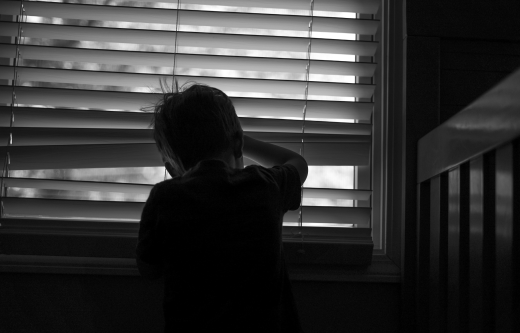
A nationwide survey conducted by the University of Fribourg in 2022 on behalf of Kinderschutz Schweiz (Child Protection Switzerland) found that just under 40 per cent of the parents surveyed said they had used corporal punishment on their child at least once. Almost one in six reported using psychological violence on a regular basis, for example through verbal abuse, humiliation or emotional withdrawal. Violence in parenting is therefore far from rare. It is a reality that affects almost half of all children in Switzerland.
Support instead of blame
The purpose of this legislative change is not to blame or stigmatise parents. Parenting is challenging – and many parents find themselves reaching their limits time and again in everyday family life. It is therefore crucial that families receive not only clear guidance but also support. This, too, is now enshrined in law: the cantons must ensure that counselling services are available for parents and children.
Switzerland is catching up
In 1997, Switzerland ratified the UN Convention on the Rights of the Child. The Convention requires States Parties to protect children from all forms of violence. Since then, the UN Committee on the Rights of the Child has repeatedly called on Switzerland to enshrine explicitly in law the right to a non-violent upbringing. Today’s amendment to the law means that this long-standing demand is now being met.
Why it is important to enshrine this right in law
Experience from other countries shows that legislation alone does not change everyday behaviour overnight. But it does establish clear social standards. It makes clear what is accepted – and what is not. When non-violent parenting is explicitly enshrined in law, this raises awareness of children’s rights, provides guidance for parents and professionals, and can help to reduce violence in parenting over the long term.
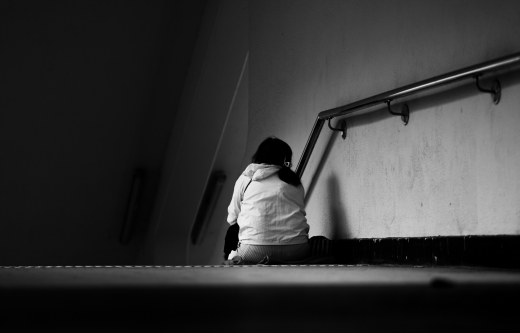
Numerous scientific studies show that violence harms children. Physical and psychological violence can cause anxiety, shame, low self-esteem, delays in physical, cognitive and social development, and long-term health consequences. Psychological violence in particular often remains invisible, yet it can leave deep and lasting scars.
An important but long-overdue step
Save the Children Switzerland welcomes the enshrinement of non-violent parenting in the Swiss Civil Code as an important, yet long-overdue, step forward for children’s rights in Switzerland.
The new legal provision makes one thing clear: children have the right to an upbringing free from violence. What is crucial now is that families receive the support they need – easily accessible, relevant to their everyday lives and free from stigma. Because violence against children is not a private matter; it is a responsibility shared by society as a whole.