These are the ten crises we must not forget in 2026:
1. South Sudan
🚨 Displacement and food crisis
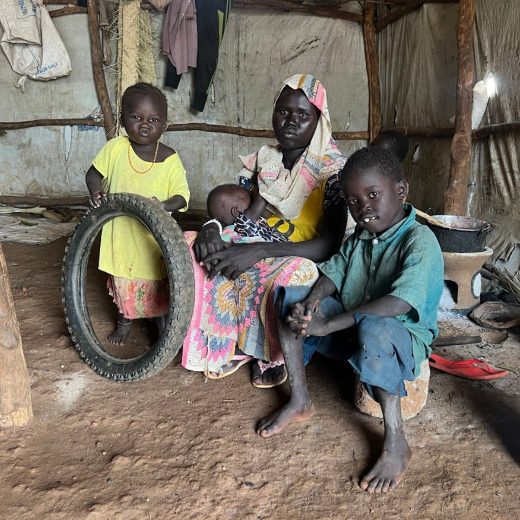
Intense fighting between armed groups and an ongoing power struggle have plunged South Sudan into a severe displacement and food crisis. Children are particularly affected: By April 2026, it is expected that more than one in two children will not have enough to eat. Around 3.5 million children will be affected by acute hunger during the months of the year when hunger is most severe.
Flooding has destroyed crops, while violence and a cholera outbreak are making the situation even worse. In some regions, famine is once again a real threat. The influx of families fleeing the war in neighbouring Sudan is pushing the country even further to its limits.
2. Sudan
🚨 Fighting and disease
In Sudan, north of South Sudan, the situation is also continuing to deteriorate. Intense fighting, including over the city of El Fasher in Darfur, has led to widespread violence against civilians and forced hundreds of thousands of people to flee. Nearly 12 million people have been displaced in total. Children are particularly affected: more than 16 million of them are in urgent need of humanitarian aid.
Violence and attacks on civilian infrastructure have brought the health and education systems largely to a standstill. Around 70 percent of health facilities are out of service, and diseases such as cholera and measles are spreading. At the same time, education is out of reach for an entire generation: around 13 million children are not attending school. For millions of children in Sudan, daily life is shaped by hunger, disease and a lack of prospects.
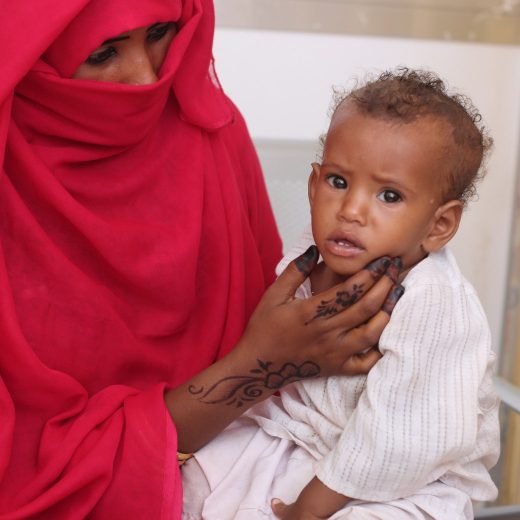
More than 16 million children are in urgent need of humanitarian aid.
3. Democratic Republic of Congo
🚨 Violent conflict and hunger crisis
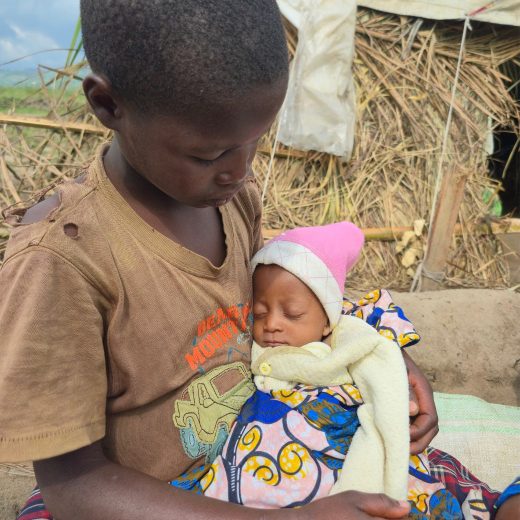
In the Democratic Republic of Congo, children’s lives have been shaped by violence for decades. In 2025, the armed conflict escalated dramatically: children were killed and injured, schools and hospitals were attacked, and hundreds of thousands were forced to flee. In South Kivu alone, over 500,000 people – more than half of them children – had to leave their homes in December 2025.
At the same time, the country is facing one of the worst hunger crises in the world. Around 14 million children are affected by acute hunger, and millions of them are at risk of malnutrition. Climate change is making the situation even worse: droughts and flooding are destroying crops and increasing the risk of disease outbreaks such as cholera.
4. Ukraine
🚨 War and trauma
More than four years after the start of the war, millions of children in Ukraine are still living in a state of emergency. Ongoing fighting and displacement are forcing families to leave their homes and live in unsafe conditions – especially during the cold winter months.
Children’s daily lives are marked by constant disruption: many schools have been damaged or destroyed, and air raid alerts regularly force children into shelters or back into remote learning. Alongside the physical dangers, the war is leaving deep emotional scars. Many children are suffering from stress, fear and traumatic experiences. Landmines and unexploded ordnance make even the most routine journeys dangerous.
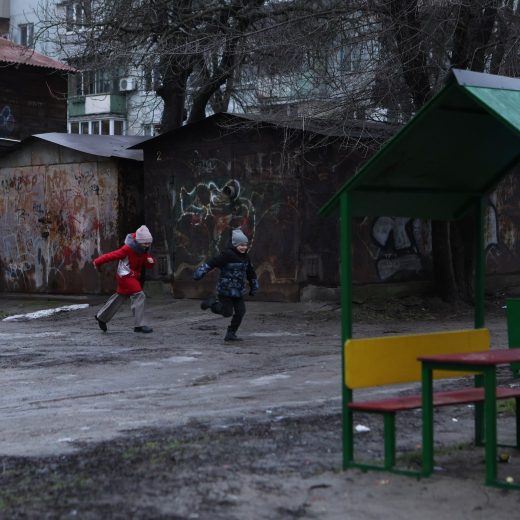
Civilian infrastructure is repeatedly being damaged in attacks. For families and children, sirens and missile alerts remain part of everyday life.
5. Yemen
🚨 Violence and malnutrition
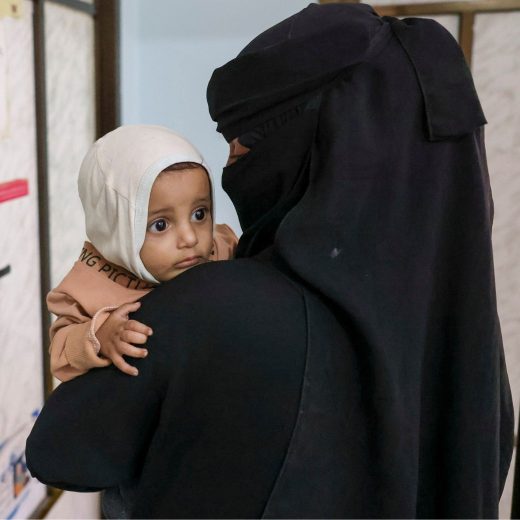
Yemen has been suffering from an ongoing armed conflict for ten years. Violence, economic collapse and the breakdown of public services have left more than 19 million people in need of support. Around 4.8 million people have been displaced from their homes.
Children are affected by violence every day. Between 2013 and 2024, more than 11,700 children were killed or injured. In the past year alone, an average of one child was killed or injured every day. In 2024, more than 800 serious violations of children’s rights were also documented, including killings, recruitment by armed groups and attacks on schools. Many children are growing up in an environment of constant insecurity.
6. Malawi
🚨 Poverty and climate risks
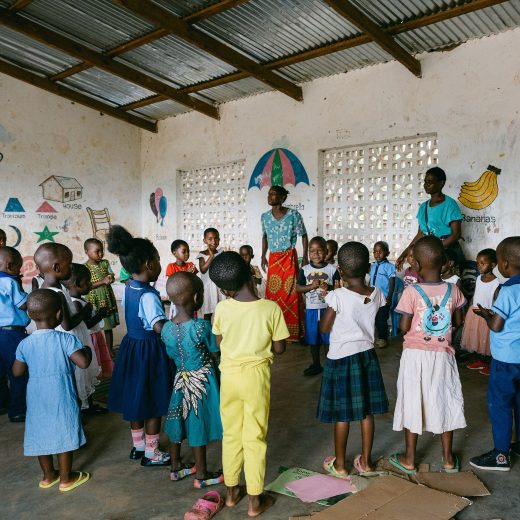
Malawi is one of the poorest countries in the world. Large parts of the population live in extreme poverty and are heavily dependent on agriculture. Many people lack access to enough food, clean drinking water or medical care. Children are particularly affected by poverty, illness and malnutrition. The health situation is under strain: medical resources are scarce, and diseases such as malaria, pneumonia, diarrhoea and malnutrition are among the leading causes of death among children. Child labour and low school attendance are further consequences of poverty: many children have to work instead of going to school in order to help support their families. In addition, climate risks such as irregular rainy seasons, flooding and periods of drought are becoming more severe as a result of climate change.
7. AFGHANISTAN
🚨 Restricted rights and hunger crisis
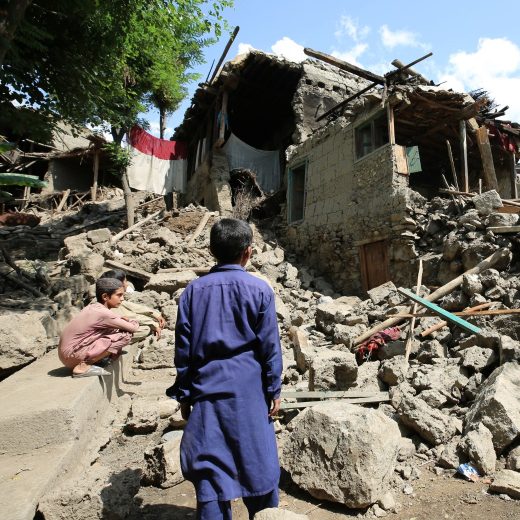
Afghanistan remains in the grip of a severe humanitarian crisis: more than half of the population, around 24 million people, is in need of aid, including more than nine million children. The situation has worsened in recent years as a result of political instability, poverty, hunger and natural disasters.
Many families are unable to secure enough food, clean water or medical care and are living at subsistence level. More than three million children are even affected by acute malnutrition. At the end of August 2025, a powerful 6.0-magnitude earthquake also struck the east of the country, wiping out entire villages, destroying homes and infrastructure, and worsening the plight of families who were already vulnerable.
8. Myanmar/ Bangladesh
🚨 Restricted access to education and healthcare
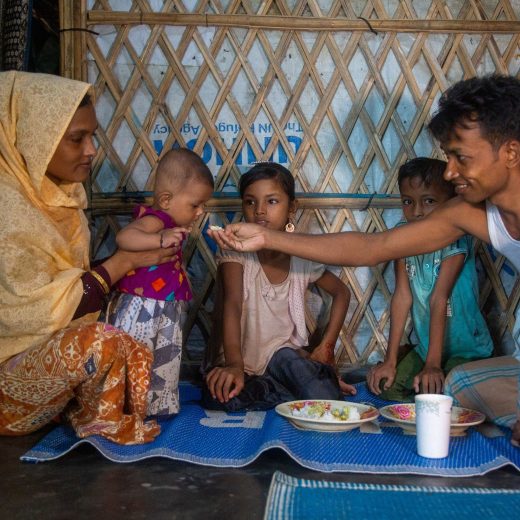
More than one million displaced people live in the Rohingya refugee camps in Cox’s Bazar (Bangladesh), half of them children. The humanitarian situation is extreme: despite the informal learning opportunities available, only very few girls have access to education, especially between the ages of 15 and 18. Across the country, only around 8 percent of girls in this age group attend school, and in some project areas the figure is just 15 percent. Strict gender norms, security concerns and cultural restrictions prevent girls from leaving home on their own or going to school. The result is social isolation, low literacy levels and, in many cases, early marriage because there are virtually no prospects for them.
9. Haiti
🚨 Displacement crisis and gang violence
The escalating violence in Haiti displaced an average of around 500 children per day in 2025. By now, one in six children in the country has been displaced from their home. Even children as young as ten are being recruited by armed groups. In 2025, the total number of people displaced by violence within the country reached a historic high of more than 1.45 million – an increase of almost 40 percent since December 2024. As new data from the International Organization for Migration (IOM) show, this corresponds to around 12 percent of the population, including 750,000 children. The displacement crisis and the collapse of basic services make children particularly vulnerable to recruitment, violence, exploitation and abuse. At the same time, the ongoing violence is making access for humanitarian aid and life-saving assistance more difficult.

The escalating violence in Haiti displaced an average of around 500 children per day in 2025.
10. Somalia
🚨 Hunger and displacement crisis
In Somalia, millions of people – around a third of the population – are affected by severe food shortages. Millions more are on the brink of, or are already experiencing, a hunger emergency. Children in particular are suffering severely from acute malnutrition. This crisis is being exacerbated by ongoing drought, water scarcity, rising food prices and conflict. Many families have been displaced multiple times and have lost their livestock, farmland and livelihoods. Families are being forced to make difficult choices between water, food and other essential goods. Many are reducing the number of meals they eat, which is leading to rising malnutrition among children.
Children in displacement camps are particularly exposed to health risks, for example because of overcrowding, poor hygiene and weakened immune systems caused by malnutrition.
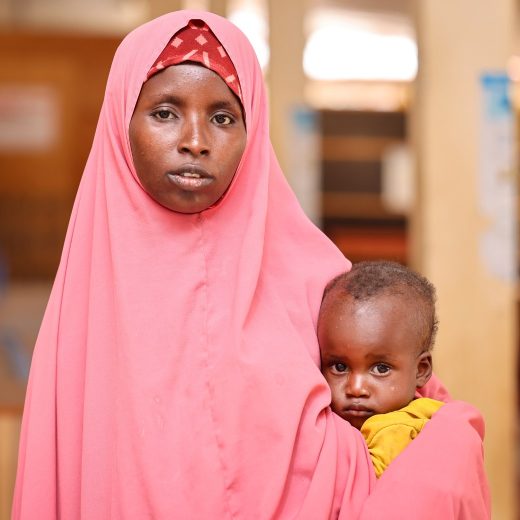
WE HELP CHILDREN IN NEED
In crises, conflicts and disasters, children’s lives are turned upside down. That is why we are there on the ground in the most difficult situations: we provide everything children need to recover from these crises and build a future.
Children and families in war zones and crisis areas need long-term support. Thank you very much for your donation, which enables us to help where the need is greatest.
